The short version
- Bogotá sits at roughly 2,600 m; Medellín at roughly 1,500 m. Raise altitude with your surgeon if you have cardiac or pulmonary issues.
- Medellín is built on a valley wall — book accommodation on gradient, not on neighbourhood reputation.
- The casa de recuperación sector is most developed in Medellín and usually beats a hotel for solo patients.
- Bogotá offers more nonstop U.S. routes; book airport assistance for every leg either way.
- If you've verified an excellent high-volume surgeon, go where that surgeon is. City is second-order.
In this article
Most patients pick a facility and inherit the city. That's backwards for orthopedics, because after a knee or hip replacement the city is not scenery — it's the terrain you'll be crossing on a walker, the altitude your body is recovering at, and the distance between your bed and your physiotherapist.
Here's what actually separates Colombia's two main options.
Altitude is the first real difference
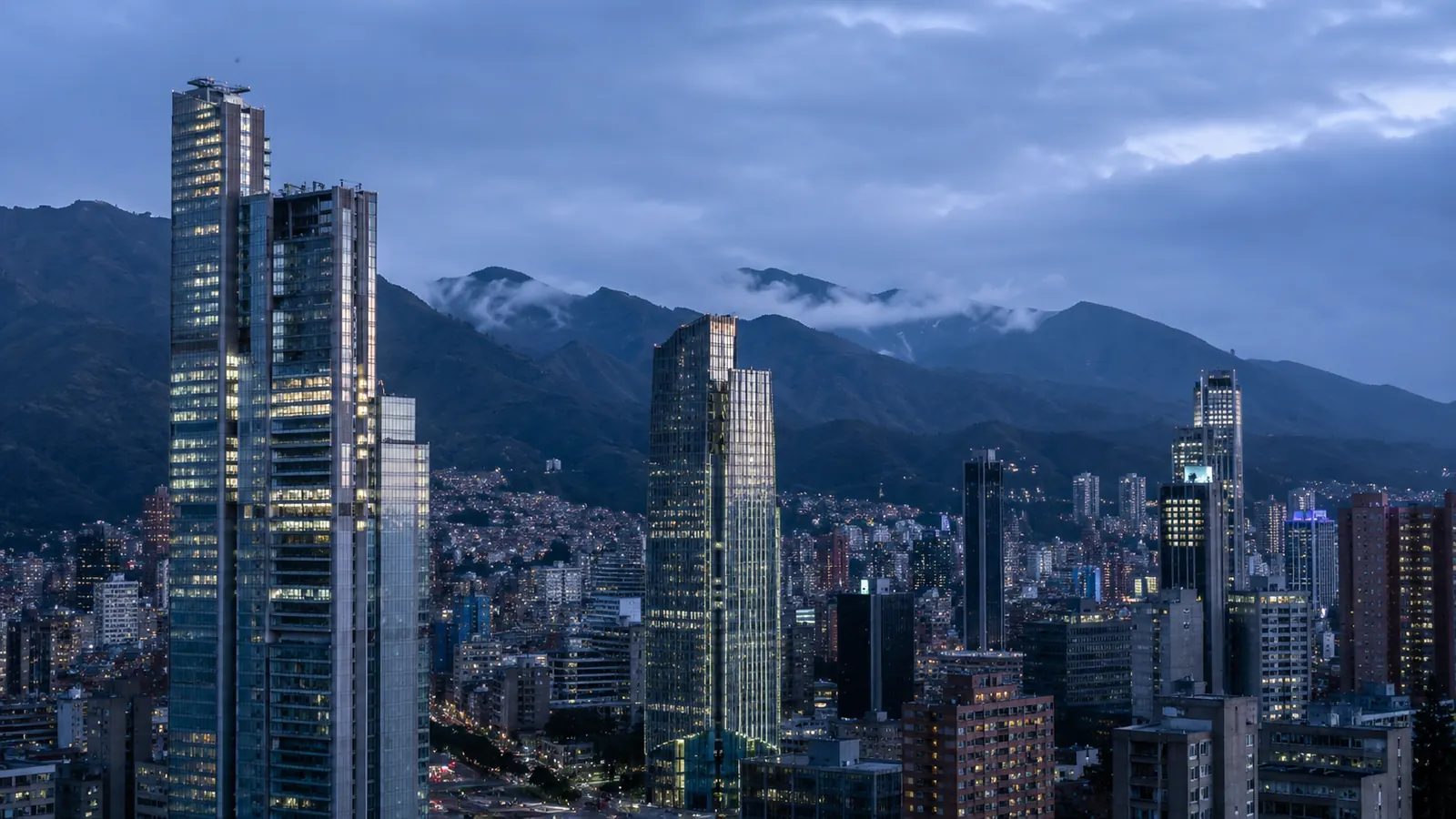
Bogotá sits at roughly 2,600 metres — about 8,500 feet. That is genuine altitude, and it isn't only a matter of feeling breathless on the stairs. For some patients it affects exertion tolerance during early rehabilitation, sleep quality in the first nights, and how swelling behaves.
Medellín sits at roughly 1,500 metres — about 4,900 feet, comparable to Denver. Noticeable for some people, unremarkable for most.
Neither is a contraindication for a healthy patient, and Bogotá's hospitals manage post-operative patients at that altitude constantly. But if you have cardiac or pulmonary issues, or you've had a difficult time at altitude before, raise it with the surgeon before choosing a city rather than after.

Terrain, which nobody warns you about
Medellín is built along the walls of a narrow valley. The consequence is that some of its most appealing neighbourhoods are also its steepest, and a gradient that reads as charming on a photograph reads very differently on crutches at day nine.
This is the most common practical mistake in the whole trip: booking accommodation on reputation rather than on gradient. What you want, in either city, is:
- Flat streets immediately outside the building.
- Elevator access, and no interior steps between the door and the bed.
- A walkable, short, flat route to a taxi pickup point.
- Ideally, a short drive to the hospital and to outpatient physiotherapy.
Ask your coordinator to confirm the gradient in writing. 'It's a nice area' is not an answer to a question about slope.
Climate and what it does to a recovery
Medellín's reputation for a consistent spring-like climate is deserved, and it has a practical benefit: predictable outdoor walking weather, which matters when your rehabilitation is essentially a structured walking programme.
Bogotá is cooler and wetter, which is not a problem in itself but does mean more of your early mobility work happens indoors. If your accommodation has no suitable indoor space to walk, that's worth solving in advance.
Getting there and getting home
Both cities have international airports with U.S. connections. Bogotá is the larger hub with more nonstop options from more U.S. cities; Medellín has fewer routes but is well connected and its airport sits outside the city, which means a drive at each end.
Two practical points for a post-operative patient. Book airport assistance for every leg including connections — it's free and it removes the hardest part of the journey. And if you're connecting through Bogotá on the way home after lower-limb surgery, factor in that you'll be sitting at altitude between flights.
Recovery accommodation
Colombia's casa de recuperación sector — supervised recovery accommodation with nursing checks, meals, wound care and transport to physiotherapy — is one of the country's real advantages over competing destinations, and it is more developed in Medellín than anywhere else in the country, largely as a consequence of the cosmetic surgery market.
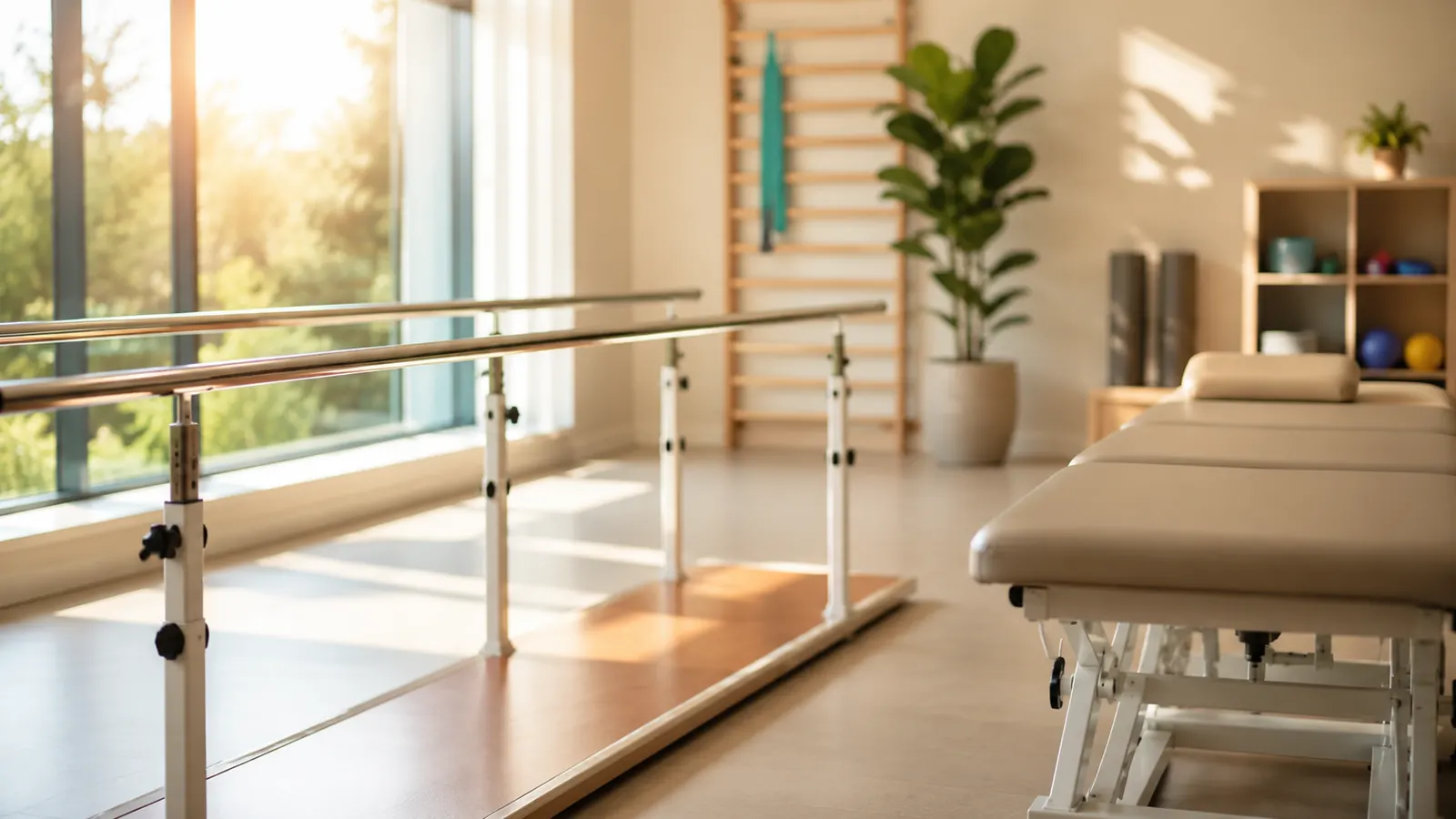
For an orthopedic patient travelling without a companion, this is usually the right choice over a hotel in either city. Ask specifically whether the facility has experience with joint replacement patients rather than only cosmetic ones — the mobility needs are different.
The practical verdict
Choose Medellín if you want lower altitude, the most developed recovery-accommodation sector, predictable walking weather, and you're travelling without a companion. Just be disciplined about gradient when you choose where to stay.
Choose Bogotá if your surgeon or the specific hospital you've verified is there, you want the widest range of nonstop flights from the U.S., or your case is complex enough that hospital selection should drive everything else.
And the honest overriding rule: if you've verified an excellent surgeon with high volume in your specific procedure, go where that surgeon is. City comfort is a real factor, but it's a second-order one.
Frequently asked
Does Bogotá's altitude affect recovery from joint replacement?
It can affect exertion tolerance during early rehabilitation and, for some patients, sleep in the first nights. It isn't a contraindication for a healthy patient, and Bogotá hospitals manage post-operative patients at that altitude routinely. If you have cardiac or pulmonary issues, raise it with the surgeon before choosing a city.
Which city has better hospitals?
Both have significant private hospitals serving international patients. This is the wrong level of question — verify the specific hospital in the accreditor's directory and the specific surgeon in ReTHUS, and let that decide it rather than the city.
What is a casa de recuperación?
Supervised recovery accommodation — nursing checks, meals, wound care and transport to physiotherapy. The sector is most developed in Medellín. For a joint replacement patient travelling alone it's usually a better choice than a hotel; ask whether the house has experience with orthopedic rather than only cosmetic patients.
Can I combine the trip with sightseeing?
Modestly, and mostly at the front end before surgery. After a joint replacement your days are structured around physiotherapy, wound checks and rest, and the patients who do worst are the ones treating the rehabilitation block as an inconvenience between surgery and a holiday.
Comparing orthopedic care in Colombia?
Turn your research into a structured provider request.
Tell us the procedure area, what information you already have, your timeline and travel readiness. With your consent, we can share the request with up to three participating orthopedic providers.
Independent matching service. Providers may compensate the site for introductions. Clinical suitability is determined by the treating provider.